Patient Overview
A 15-year-old female with type 1 diabetes mellitus (T1DM), diagnosed at age 11 following an episode of diabetic ketoacidosis (DKA), developed recurrent DKA episodes associated with insulin misuse.
She resided in a foster care setting and experienced recent changes in placement, contributing to psychosocial stress. Her history included repeated self-harm behaviors involving both intentional insulin omission and excessive insulin administration.
Her comorbid conditions included attention deficit hyperactivity disorder (ADHD) treated with lisdexamfetamine and an anxiety and mood disorder managed with fluoxetine. Glycemic control remained suboptimal, particularly during periods without restrictions on insulin access.
Clinical Presentation
The patient was admitted to a child and adolescent psychiatry unit after a suicide attempt involving excessive insulin delivery through an insulin pump using a rapid-acting insulin analog.
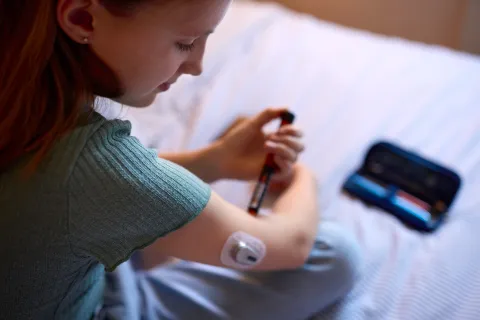
She was using a hybrid closed-loop insulin delivery system integrated with continuous glucose monitoring (CGM). At admission, she demonstrated significant psychological distress, including anxiety, depressive symptoms, and suicidal intent.
Standardized assessments showed:
- Screen for Child Anxiety Related Emotional Disorders (SCARED) score: 53
- Beck Depression Inventory-II (BDI-II) score: 35
These findings indicated severe anxiety and depressive symptom burden.
Diagnostic Evaluation
Laboratory findings included:
- Glycated hemoglobin (HbA1c): 8.5%
- Anion gap: 14 mmol/L
- Bicarbonate: 21 mmol/L
These results indicated suboptimal glycemic control with mild high anion gap metabolic acidosis.
Additional findings included:
- Reduced ferritin and serum iron levels, consistent with iron deficiency
- Isolated elevations in alkaline phosphatase and vitamin B12
Other investigations, including complete blood count (CBC), thyroid function tests, C-reactive protein (CRP), vitamin D, folate levels, and electrocardiogram (ECG), were within normal limits.
Insulin pump data review demonstrated patterns of both excessive insulin administration and omission, supporting a behavioral etiology in the setting of psychiatric comorbidity.
Management
- Insulin pump reissued with passcode protection to prevent unauthorized insulin delivery
- Insulin dosing parameters adjusted under pediatric endocrinology supervision
- Lisdexamfetamine optimized to 30 mg once daily
- Fluoxetine continued at 40 mg once daily
- Propranolol prescribed as needed for anxiety and panic symptoms
- Multidisciplinary care coordinated across endocrinology, psychiatry, social services, and caregivers
Follow-Up
The patient remained hospitalized for 16 days. During this period, no further insulin misuse was observed with the secured insulin delivery system.
She reported improved emotional stability and a greater sense of safety following treatment optimization.
At discharge, follow-up was arranged with outpatient mental health services and the adolescent medicine team. Continued multidisciplinary supervision was recommended to support long-term metabolic control and reduce recurrence risk.