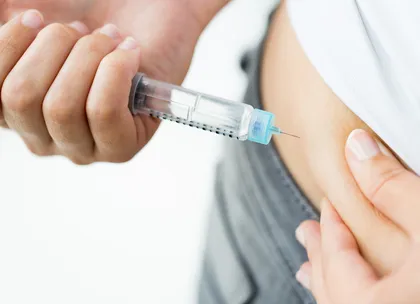
Management of inpatient hyperglycemia in non-critically ill adults with type 2 diabetes mellitus (T2DM) remains variable across hospitals, with sliding-scale insulin (SSI) still widely used despite guideline recommendations favoring basal-based insulin regimens. Findings presented in the AACE Annual Meeting 2026 showed that basal-bolus and basal-plus regimens achieved better inpatient glycemic control than SSI without increasing severe hypoglycemia or prolonging hospitalization.
The pooled analysis included 3 randomized controlled trials comparing basal-bolus, basal-plus, and SSI strategies in hospitalized adults with T2DM. Outcomes assessed included mean daily glucose, hypoglycemia, achievement of target-range glucose (70-180 mg/dL), and hospital length of stay.
Across the included trials, basal-containing regimens consistently lowered mean daily glucose compared with SSI, with an approximate pooled difference of 25 mg/dL favoring basal-based therapy (P<.01). Basal-plus therapy achieved glycemic control comparable to full basal-bolus therapy. In the simplified correctional approach evaluated by Vellanki et al, less intensive supplemental insulin achieved similar glycemic outcomes while reducing total insulin exposure.
Target-range glucose was achieved more frequently with basal-based therapy, while SSI showed the highest treatment failure rates across studies. Mild hypoglycemia (<70 mg/dL) occurred somewhat more often with basal-based therapy (RR, 1.3; 95% CI, 0.8-2.2), although severe hypoglycemia (<40 mg/dL) remained uncommon and comparable between treatment groups, occurring in fewer than 2% of patients. Hospital length of stay was similar across regimens.
The findings showed improved inpatient glycemic control with basal-based insulin regimens compared with SSI without increased severe hypoglycemia or longer hospitalization in non-critically ill adults with T2DM.