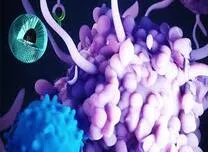
Finding a way to replace pancreatic function without lifelong immunosuppression is a major goal in diabetes therapy. The following findings were presented at the European Association for the Study of Diabetes Congress 2025.
This study evaluated the ADO12 scaffold using stem cell-derived islets (SCDI) from two cell lines. In vitro testing showed that encapsulated SCDI maintained insulin secretion levels and intracellular insulin content comparable to non-encapsulated cells. Maturation was evident by reduced basal insulin secretion and higher stimulation indexes.
When implanted in mice for 132 days, encapsulated SCDI exhibited a steady increase in human C-peptide secretion over 2–3 months, reaching a plateau similar to known maturation kinetics. Post-explant analysis revealed a threefold increase in insulin secretion, a 1.5-fold rise in stimulation indexes, and a 2.4-fold increase in total insulin content. Cells remained viable with clear nuclei and proper endocrine differentiation into glucagon- or insulin-expressing cells, without transdifferentiation.
These findings demonstrate that ADO12 can support SCDI maturation and function in vivo, representing a significant step toward cell therapy for type 1 diabetes without the need for immunosuppression.