A new study from the UK-based Avon Longitudinal Study of Parents and Children (ALSPAC) has reported that teens with signs of insulin resistance or high blood sugar had a higher likelihood to develop early heart changes as they grow into young adulthood. The findings, published in Diabetes Care, raise concerns that early metabolic problems, even in youth, can set the stage for long-term cardiovascular complications.
The study followed 1,595 adolescents, with an average age of 17.7 years at the start, and measured their fasting blood glucose levels, insulin levels, and heart structure using echocardiograms. These same measures were retaken when participants reached around 24 years of age. Researchers calculated a marker called LVMI2.7 (left ventricular mass indexed for height), which reflects the degree of enlargement of the heart's main pumping chamber.
Between adolescence and young adulthood, the rate of left ventricular (LV) hypertrophy increased from 2.4% to 7.1%. The study found that each unit rise in blood glucose or insulin resistance was linked with a significant increase in LVMI2.7. More specifically, adolescents who consistently had blood sugar levels above 5.6 mmol/L or 6.1 mmol/L had 46% and 210% higher odds, respectively, of developing heart enlargement.
Notably, the link between insulin resistance and heart changes was primarily driven by increased fat mass, which accounted for approximately 62% of the relationship.
These results suggest that even mild elevations in blood sugar or insulin resistance during adolescence can trigger harmful heart changes over time, highlighting the need for early prevention strategies focused on weight control and metabolic health.
• Heart enlargement (LV hypertrophy) in youth rose from 2.4% to 7.1% between ages 17 and 24.
• Higher glucose and insulin resistance in teens were linked with heart remodeling in young adulthood.
• Persistent elevated glucose (≥5.6 or ≥6.1 mmol/L) increased the risk of heart enlargement by up to 3 times.
• Increased fat mass explained 62% of the link between insulin resistance and heart changes.
• Early lifestyle and metabolic interventions in adolescence may help prevent long-term heart damage.
Agbaje AO, Zachariah JP, Barker AR, et al. Persistent Hyperglycemia and Insulin Resistance With the Risk of Worsening Cardiac Damage in Adolescents: A 7-Year Longitudinal Study of the ALSPAC Birth Cohort. Diabetes Care. 2025;48(6):896-904. doi:10.2337/dc24-2459
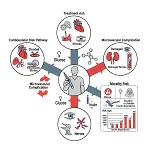
Teens with signs of insulin resistance or high blood sugar had a higher likelihood to develop early heart changes as they grow into young adulthood