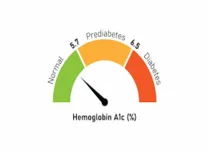
Prediabetes is increasingly recognized as a critical stage preceding type 2 diabetes, yet its diagnosis and prognostic implications remain influenced by patient age. Findings from EASD 2025 highlight the impact of age on glycated hemoglobin-based prediabetes classification and its relation to long-term mortality.
HbA1c levels rise with age, leading to a higher likelihood of older individuals being classified as prediabetic based on HbA1c alone. Concordance between HbA1c and oral glucose tolerance test-based classification decreased with age, revealing diagnostic discordance in older populations.
Analysis of the LURIC cohort with 20 years of follow-up demonstrated that individuals with concordant prediabetes diagnosed by both HbA1c and oral glucose tolerance test had the highest risk of all-cause mortality. In contrast, those with HbA1c-only prediabetes had a lower risk compared to the normal glucose regulation group, highlighting the limited prognostic utility of HbA1c alone.
These results indicate that HbA1c may over diagnose prediabetes in older adults, while oral glucose tolerance testing identifies individuals at higher mortality risk. Incorporating age-adjusted HbA1c thresholds or combining diagnostic methods could improve prediabetes identification and long-term risk stratification, ensuring targeted preventive interventions in at-risk populations.