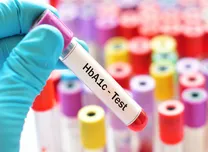
A rising HbA1c does not carry the same predictive weight for type 1 diabetes in adults as it does in children. These findings were presented at the European Association for the Study of Diabetes Conference 2025. The study evaluated 6,085 islet-autoantibody-positive relatives, including 1,618 adults, tracking progression to clinical type 1 diabetes over 12 months.
Adults who progressed showed higher baseline HbA1c than children (36 mmol/mol versus 34 mmol/mol, p<0.001). Although higher HbA1c increased progression risk in both groups, adults needed elevated levels to reach comparable 12-month risk. For example, children with HbA1c at 39 mmol/mol faced a 39% progression risk, whereas adults required 45 mmol/mol to reach a similar 39% risk (p<0.001).
These results indicate that age-adjusted HbA1c thresholds may improve risk stratification and guide monitoring in adults at risk of type 1 diabetes. They also emphasize the need to consider age-related glycemic changes and potential type 2 diabetes overlap when interpreting HbA1c in at-risk adults.