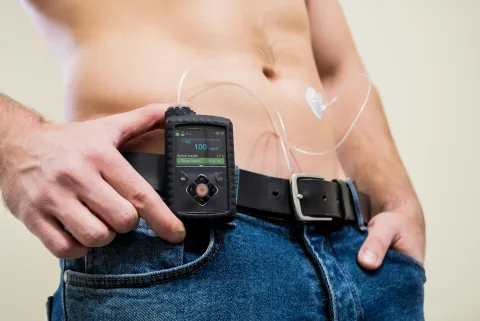
Automated insulin delivery (AID) systems are increasingly used to improve glycemic control in children and adolescents with type 1 diabetes mellitus (T1DM). A retrospective study published in Diabetes Technology & Therapeutics evaluated long-term glycemic outcomes after transitioning from nonautomated insulin therapy to AID systems.
The monocentric retrospective study included 305 children and adolescents with T1DM younger than 20 years who initiated AID between 2019 and 2022. Previous therapies included multiple daily injections, continuous subcutaneous insulin infusion, or predictive low glucose management systems. Among participants, 83 (27.2%) used calibration-requiring AID systems and 222 (72.8%) used noncalibration AID systems. Outcomes assessed over 12-24 months included hemoglobin A1c (HbA1c), time in range (TIR), mean glucose, coefficient of variation, glycemia risk index (GRI), body mass index standardized deviation score, and total daily insulin dose (TDD).
Across all groups, AID use resulted in significant improvements in TIR, time above range (181-250 mg/dL), time below range (<54 mg/dL), mean glucose, and GRI (all P < 0.001). HbA1c declined during the first year after AID initiation but regressed toward baseline in the second year (P < 0.001). At 24 months, noncalibration systems showed lower HbA1c compared with calibration-requiring systems (7.4% vs 7.8%, P = 0.021), lower total daily insulin dose (0.78 vs 0.85 IU/kg/day, P = 0.022), and greater time spent in automated mode (95% vs 73%, P < 0.001).
Regression analysis identified baseline HbA1c, AID system type, and age as significant predictors of 24-month HbA1c. The findings indicate that AID systems improve glycemic outcomes and reduce hypoglycemia compared with prior therapies, although the initial HbA1c improvements were not sustained over longer follow-up.