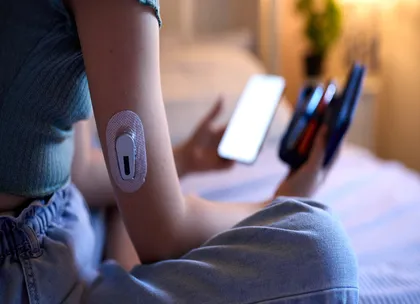
Management of type 1 diabetes mellitus (T1DM) in toddlers and preschool-age children remains challenging because of variable dietary intake, high insulin sensitivity, and limited ability to recognize or communicate hypoglycemic symptoms. A systematic review and meta-analysis published in Diabetic Medicine evaluated the efficacy and safety of automated insulin delivery (AID) systems in children younger than 7 years with T1DM.
The analysis searched PubMed, Embase, Scopus, and Web of Science through October 10, 2025. Eligible studies included randomized controlled trials comparing AID systems with standard care (SC). The primary endpoint was continuous glucose monitoring (CGM)-derived time-in-range (TIR; 70-180 mg/dL), while secondary outcomes included glycated hemoglobin (HbA1c), additional CGM metrics, and insulin dose. Safety outcomes included severe hypoglycemia (SH) and diabetic ketoacidosis (DKA).
Four randomized controlled trials involving 292 participants were included. Compared with SC, AID significantly increased TIR by a mean difference of 9.29% (95% CI, 7.27-11.30; p<0.001). HbA1c was also lower with AID versus SC, with a mean difference of −4 mmol/mol (approximately −0.39%) (95% CI, −6 to −2 mmol/mol [−0.57% to −0.21%]; p<0.001). AID was also associated with lower time-above-range at both >180 mg/dL and >250 mg/dL, along with lower mean glucose levels.
No significant differences were observed between AID and SC in time spent in hypoglycemia, insulin dose, severe hypoglycemia, or DKA. Overall, AID systems improved short-term glycemic metrics in very young children with T1DM without increasing acute safety events.