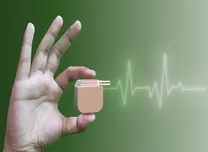
Heart failure hospitalization occurred in a substantial proportion of patients receiving the leadless VR leadless pacemaker. Findings were presented at the European Society of Cardiology (ESC) Congress 2025.
This retrospective study included 94 consecutive patients undergoing de novo leadless VR implantation. The mean age was 84.6 years, and 45 were male. Patients were followed for a mean of 640 days. Seventeen patients (18.1%) were hospitalized for heart failure during follow-up.
Heart failure hospitalization was associated with a history of atrial fibrillation and reduced left ventricular ejection fraction (≤50%). Multivariate analysis identified both factors as independent predictors: atrial fibrillation (hazard ratio 5.77, 95% CI 1.64–20.3, P=0.006) and reduced ejection fraction (hazard ratio 7.04, 95% CI 1.89–26.2, P=0.004).
Patients with normal left ventricular function and no history of atrial fibrillation had a lower risk of heart failure hospitalization. This suggests that leadless VR may be especially suitable for this group, particularly in patients with decline in activities of daily living.