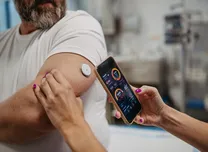
Real-world evidence continues to inform the clinical and economic impact of CGM in insulin-treated diabetes. An outcomes analysis published in Diabetes Technology & Therapeutics evaluated associations between CGM use, health care utilization, costs, and glycemic control in adults treated with rapid- or short-acting insulin.
The study used the Mariner Commercial Claims Database to identify adults with diabetes who had at least one claim for rapid- or short-acting insulin between 2010 and 2022. Individuals were grouped as CGM users or nonusers and directly matched to ensure comparability. Outcomes included total medical costs, ER days, IP days, acute event-related utilization, and achievement of HbA1c <9%.
Among 3,139,979 eligible individuals, 536,512 used CGM and 2,603,467 did not. Mean total health care costs were significantly lower in the CGM group ($6,245) than in the non-CGM group ($7,786; P < 0.001). CGM users also had fewer ER and IP days at 3, 6, 9, and 12 months of follow-up.
CGM use was associated with a 19% higher odds of achieving HbA1c <9% compared with nonuse (odds ratio 1.19). A smaller proportion of CGM users experienced ER or IP days related to hypoglycemia, diabetic ketoacidosis, or mixed events. These findings indicate that CGM use in insulin-treated populations is associated with both improved glycemic outcomes and reduced acute care utilization.