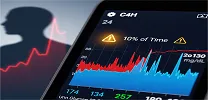
A long-term study in the Diabetes Research and Clinical Practice suggests that continuous glucose monitoring (CGM) may be an early warning tool for predicting the onset of type 2 diabetes. Researchers have identified a specific CGM threshold, glucose levels ≥130 mg/dL for more than 10% of monitoring time, which is strongly associated with future diabetes development.
The prospective observational study followed 513 non-diabetic individuals over a median period of 10.8 years. All participants underwent CGM at baseline and were confirmed to be free of diabetes at the time. During follow-up, 42 participants developed type 2 diabetes.
Those who progressed to diabetes were significantly older (median age 53 vs. 45 years) and had a higher body mass index (BMI 32.2 vs. 26.8 kg/m²) than those who did not. However, the time spent with glucose readings above 130 mg/dL also plays a significant role. Participants who exceeded this level for at least 10% of their monitored time over a minimum of two days were at substantially higher risk of developing diabetes.