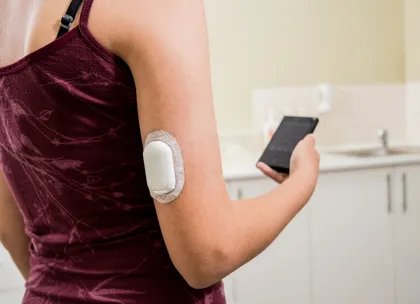
Continuous glucose monitoring (CGM) is increasingly used in diabetes care, but its role in cardiovascular disease (CVD) risk assessment remains uncertain. A scoping review published in the JMIR Diabetes evaluated published evidence examining associations between CGM-derived metrics and cardiovascular outcomes.
MEDLINE and Embase were searched from inception through March 11, 2025, for peer-reviewed original studies that included CGM-derived metrics and cardiovascular outcomes in diabetes or prediabetes. Two reviewers independently screened eligible studies.
A total of 53 studies were included. Of these, 47 used cross-sectional designs and 6 were longitudinal. Clinical CVD outcomes were evaluated in 16 studies, whereas 40 assessed subclinical cardiovascular outcomes. All included analyses were association studies, and only 3 incorporated secondary analyses of predictive performance. No studies applied machine learning-based methods.
Time-in-range (TIR) was the most frequently studied CGM-derived metric and was associated with cardiovascular risk in the largest individual study included in the review. Mean amplitude of glycemic excursions (MAGE) showed the most consistent associations with CVD outcomes across studies evaluating this metric.
The review highlights the need for adequately powered longitudinal studies evaluating clinical cardiovascular outcomes and the prognostic value of routinely collected CGM data in diabetes.