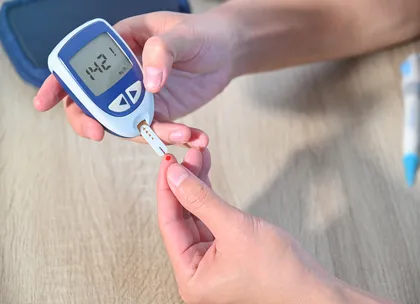
Older adults with type 2 diabetes mellitus (T2DM) face increased risk of hypoglycemia, yet treatment decisions are often guided primarily by HbA1c values that may not capture nocturnal hypoglycemia or glucose variability. A qualitative study published in Journal of Diabetes Science and Technology evaluated how standardized continuous glucose monitoring (CGM) reports influenced clinician decision-making in older adults with T2DM.
The analysis included 30 clinicians who reviewed three simulated cases before and after access to CGM reports. Responses were evaluated using Endsley’s situation awareness framework, which examines how clinicians perceive, interpret, and project clinical information during decision-making.
Findings
- Time-in-range metrics were incorporated into clinical assessment by 90% of clinicians after CGM review.
- Previously unrecognized hypoglycemia or nocturnal glucose patterns were identified by 93% of clinicians.
- Treatment plans were modified by 86% of clinicians following review of CGM data.
- Clinical management changes included deprescribing sulfonylureas, adjusting insulin timing or dosing, and initiating lower-risk therapies such as SGLT-2 inhibitors or GLP-1 receptor agonists.
- Clinicians identified multiple barriers to treatment implementation, including medication cost, limited medication access, housing instability, and food insecurity.
The findings suggest that CGM data provided actionable information beyond HbA1c alone and frequently altered individualized treatment decisions in older adults with T2DM.