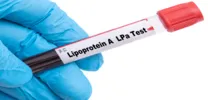
Patients with atherosclerotic vascular disease face a high risk of complications despite following lifestyle recommendations and cholesterol-lowering therapy. This study, published in Circulation, analyzed data from 460,544 UK Biobank participants to evaluate whether lipoprotein(a) [Lp(a)] concentrations identify those at higher risk for extracoronary atherosclerotic disease and related events. Participants entered the study at a median age of 58 years, and 54.2% were male. The median follow-up lasted 13.6 years.
During follow-up, 6,347 participants (1.4%) developed peripheral artery disease (PAD) and 1,972 (0.43%) developed carotid artery stenosis. Among those with PAD at baseline, 196 (2.7%) progressed to a major adverse limb event, while 67 (1.9%) with carotid stenosis progressed to stroke. Median Lp(a) levels were higher in all groups with new or progressive disease than in those without disease. Each 75 nmol/L increase in Lp(a) increased the risk of incident PAD by 18% (HR 1.18; 95% CI 1.15–1.20; P<0.0001) and carotid stenosis by 17% (HR 1.17; 95% CI 1.13–1.20; P<0.0001). High Lp(a) raised the risk of major limb events in PAD by 57% (HR 1.57; 95% CI 1.14–2.16; P=0.006).