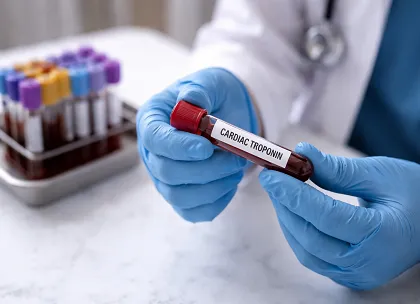
Severe acute respiratory syndrome coronavirus 2 (SARS-CoV-2) infection has been associated with acute myocardial injury, but its relationship with chronic subclinical cardiac injury remains less clear. A population-based analysis from the Trøndelag Health Study published in European Journal of Preventive Cardiology evaluated associations between SARS-CoV-2 infection and longitudinal changes in high-sensitivity cardiac troponin I (cTnI) concentrations.
The study included 37,823 community-dwelling participants who underwent pre-pandemic cTnI measurement between 2018 and 2019. Among these individuals, 19,550 underwent repeat cTnI testing and SARS-CoV-2 serological assessment between 2021 and 2023. The study assessed associations between SARS-CoV-2 infection and changes in cTnI concentrations from pre- to post-pandemic measurements. It also evaluated longitudinal cTnI measurements in 19,550 participants from the general population.
Findings
- Interim SARS-CoV-2 infection was associated with higher post-pandemic cTnI concentrations after adjustment for confounding variables and baseline cTnI levels.
- SARS-CoV-2 infection was associated with a higher likelihood of increasing cTnI concentrations from pre-pandemic to post-pandemic assessments.
- Higher pre-pandemic cTnI concentrations were associated with a lower risk of contracting SARS-CoV-2.
- Associations were consistent across immunological, self-reported, and laboratory-confirmed SARS-CoV-2 infection measures.
SARS-CoV-2 infection was associated with persistent increases in high-sensitivity cTnI concentrations, supporting a potential role for COVID-19 in chronic subclinical myocardial injury. Pre-existing low-grade myocardial injury did not appear to increase susceptibility to SARS-CoV-2 infection.