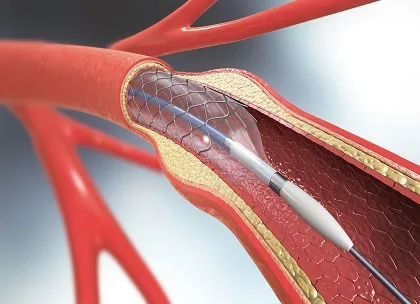
Optimal revascularization strategies for ostial lesions of the left circumflex artery (LCX) remain uncertain, with two commonly used percutaneous coronary intervention (PCI) approaches including crossover stenting (CSI) and ostial stent implantation (OSI). Long-term comparative outcome data for these techniques are limited. A multicenter retrospective observational study published in the Canadian Journal of Cardiology evaluated cardiovascular outcomes associated with these revascularization strategies.
The study included 414 patients treated for ostial LCX lesions at 12 centers between 2014 and 2025. Participants were divided into two groups based on revascularization strategy: OSI (n = 212) and CSI (n = 202). The primary endpoint was major adverse cardiac events (MACE), defined as cardiac death, target lesion revascularization, or target vessel myocardial infarction. Baseline characteristics, including SYNTAX scores and rates of intravascular imaging use, were similar between the groups.
Side-branch interventions involving the left anterior descending artery were more common in the CSI group than in the OSI group. Ballooning of the side branch occurred in 36.1% of CSI procedures compared with 2.8% of OSI procedures (p < 0.001), while bail-out two-stent implantation occurred in 13.9% and 5.7% of cases, respectively (p = 0.005).
Risk-adjusted analyses showed lower long-term event rates with CSI, including reduced major adverse cardiac events (hazard ratio [HR] 0.357; p = 0.001) and major adverse cardiac and cerebral events (HR 0.397; p = 0.001). Independent predictors of MACE included diabetes mellitus, chronic kidney disease (CKD), reduced left ventricular ejection fraction (LVEF), high SYNTAX score, use of intravascular imaging, and direct stenting.
Overall, the CSI strategy showed lower risk-adjusted long-term cardiovascular event rates compared with OSI in patients undergoing PCI for ostial LCX lesions. However, this approach was accompanied by a higher frequency of side-branch interventions.