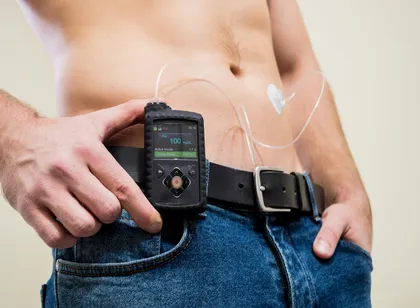
Advanced insulin delivery technologies were associated with more favorable glycemic outcomes and renal markers in adolescents with type 1 diabetes mellitus (T1DM), although health-related quality of life (HRQoL) benefits appeared limited overall.
A cross-sectional study published in Diabetology & Metabolic Syndrome evaluated 262 children and adolescents with T1DM treated with multiple daily injections (MDI), continuous subcutaneous insulin infusion (CSII), or automated insulin delivery (AID) systems. HRQoL was assessed using the Pediatric Quality of Life Inventory (PedsQL) 3.2 Diabetes Module.
Findings
- Sixty-two percent of participants were treated with MDI, 11% with CSII, and 27% with AID systems.
- Adolescents using CSII or AID systems demonstrated lower HbA1c levels than MDI users (p<0.001).
- Daily insulin requirements were lower among adolescents using CSII or AID systems than among MDI users (p=0.003).
- Estimated glomerular filtration rate (eGFR) was lower among adolescent MDI users (p<0.001), whereas among children, eGFR was the only parameter associated with therapy type (p<0.001).
- Female adolescents treated with CSII demonstrated higher HRQoL scores in domains related to worry (p=0.031), disease management (p=0.050), and overall HRQoL (p=0.034).
- Female adolescents reported poorer overall HRQoL than males, particularly regarding concerns about diabetes complications (p=0.002) and communication difficulties (p<0.001).
The findings suggest that advanced insulin delivery technologies were associated with more favorable glycemic and renal outcomes in adolescents with T1DM, although HRQoL benefits were limited and primarily observed among female adolescents.