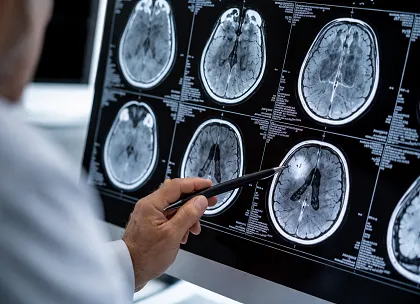
Stroke remains a recognized periprocedural concern during transcatheter aortic valve replacement (TAVR), but routine use of cerebral embolic protection devices (CEPDs) did not improve major clinical outcomes in pooled randomized trials. A meta-analysis of randomized controlled trials published in the American Heart Journal evaluated 8 trials involving 11,597 patients comparing current-generation CEPDs with no CEPD use during TAVR.
Included devices consisted of 5 filter-based systems and 3 shield-based systems. Outcomes included any stroke, disabling stroke, new magnetic resonance imaging (MRI)-detected lesions, and all-cause mortality. Random-effects models were used, with additional meta-regression and trial sequential analysis (TSA). CEPD use was not associated with lower risk of any stroke (risk ratio [RR], 0.92; 95% CI, 0.75-1.14), disabling stroke (RR, 0.80; 95% CI, 0.55-1.15), new MRI-detected lesions (RR, 1.00; 95% CI, 0.93-1.07), or all-cause mortality (RR, 1.04; 95% CI, 0.71–1.51).
TSA indicated that available cumulative evidence was sufficient and did not meet predefined benefit thresholds for current systems. Meta-regression showed no significant relationship between stroke outcomes and age, sex, diabetes, prior stroke, or atrial fibrillation (all p>0.05). These findings do not support routine use of current-generation CEPDs during TAVR based on available trial evidence.