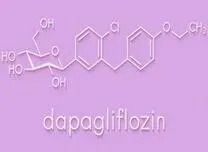
Type 2 diabetes is associated with insulin resistance not only in classical metabolic tissues but also in the renal cortex, potentially contributing to kidney dysfunction. Findings presented at the European Association for the Study of Diabetes 2025 highlight that dapagliflozin, a sodium-glucose cotransporter-2 inhibitor, modulates renal glucose metabolism and preserves kidney function.
In the single-center, double-blind DAPAHeart Trial, patients with type 2 diabetes and stable coronary artery disease were randomized to dapagliflozin (10 mg daily) or placebo for four weeks. Renal [18F]-fluorodeoxyglucose uptake was assessed using positron emission tomography during hyperinsulinemic-euglycemic clamp conditions.
After four weeks, dapagliflozin significantly reduced renal standardized uptake value peak (SUVpeak, p=0.045) compared with placebo, with trends toward reductions in SUVmax and SUVmean. Subsequent long-term follow-up over four years showed stable estimated glomerular filtration rates (pre-treatment: 81.4 ± 6.4 ml/min/1.73 m²; post-treatment: 76.2 ± 6 ml/min/1.73 m²; p=0.4).
These results suggest that SGLT-2 inhibition decreases renal glucose uptake, likely reducing tubular energy demand, while maintaining renal function over time. The study underscores the renal metabolic and protective benefits of dapagliflozin in type 2 diabetes management.