Doctors guiding type 2 diabetes patients stress diet as the foundation for sugar control and complication prevention, yet real eating habits after diagnosis stay murky.
This large review published in the Diabetes Epidemiology and Management analyzed the National Health and Nutrition Examination Survey data from 2011 to 2018, covering 19,464 adults over age 20. They flagged diagnosed type 2 diabetes through self-reports or diabetes drug use, hitting a 9.9% rate in the population. Diet quality came via the Healthy Eating Index 2020, or HEI-2020, scored 0 to 100 with higher meaning better choices across 13 parts like fruits, grains, salt, and sugars.
Men with Diabetes Show Overall Diet Edge
In simple comparisons, men with diagnosed diabetes scored higher on HEI-2020 at 53.3 versus 51.8 for non-diabetics. Average score across everyone landed at 53.9, showing room for growth overall.
Sugar Wins but Salt and Grains Lag
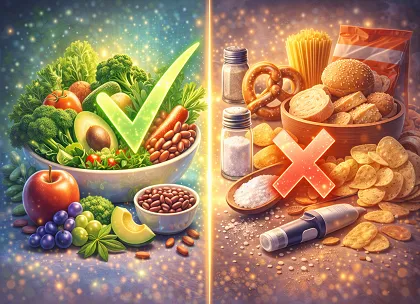
Across both genders, diabetes patients beat non-patients on added sugar scores, meaning less candy, soda, and sweets. However, they scored worse on sodium and refined grains, pointing to more processed foods and table salt.
Age and Gender Shape Eating Gaps
Adults over 60 with diabetes cut added sugars more but piled on sodium compared to healthy peers. Younger women aged 20 to 40 with diabetes actually ate more added sugars than expected.
Target Fixes for Real Diet Help
These patterns show diagnosis sparks some good changes like sugar cuts, but old habits like salty snacks and white bread stick around, especially in elders and young women. Tailored advice can close gaps.
Featured
Off
Page Content
#ffffff
Anonymous user
On
Authenticated user
On
Premium
On
Paid / Sponsored
On
Key highlights
- Diagnosed type 2 diabetes affects 9.9% of US adults with average HEI-2020 score of 53.9 across 19,464 participants.
- Men with diabetes score higher overall HEI-2020 (53.3 vs 51.8) than non-diabetic men in unadjusted analysis.
- Diabetes patients show better added sugar component scores but worse sodium and refined grains scores versus non-patients.
- Older adults over 60 with diabetes consume less added sugar but more sodium than non-diabetic peers.
- Younger women aged 20-40 with diabetes report higher added sugar intake than expected.
Source
Zhou M, Yu H, Underwood R, Cai H, Tseng TS, Luo S. Diet quality as assessed by the healthy eating Index-2020 among individuals diagnosed with and without type 2 diabetes. Diabetes Epidemiology and Management. 2025;21:100299-100299. doi: https://doi.org/10.1016/j.deman.2025.100299
Thumbnail
Speciality
Currency
Sub Sub Speciality
Short Description
NHANES analysis of 19,464 US adults reveals diagnosed type 2 diabetes patients score higher on HEI-2020 for less added sugar but lower for excess sodium and refined grains.
User Segments
Release Date
Featured Order
0
Is Paid
0
Send Notification
Off