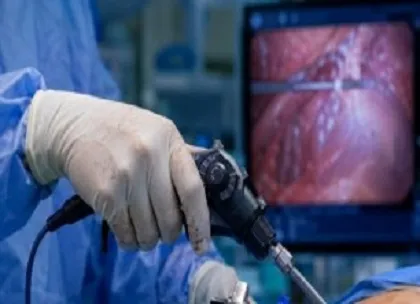
Whether early arrhythmia recurrence after AF ablation reflects transient healing or signals long-term treatment failure remains uncertain. A prospective study published in Heart Rhythm evaluated recurrence timing and long-term rhythm outcomes among 449 patients with advanced atrial fibrillation (AF) who underwent thoracoscopic ablation with concomitant left atrial appendage (LAA) excision.
Participants underwent rhythm surveillance for 2 years to assess associations between early recurrence (ER) within 90 days after ablation and late recurrence (LR) occurring thereafter. Patients were categorized into three groups: no ER, ER occurring within 0–30 days, and ER occurring within 31–90 days. Histological assessment and bulk RNA sequencing of excised LAA tissue were also performed to explore potential biological differences across recurrence patterns.
Findings
- ER occurred in 176 of 449 patients (39.2%), with 152 patients (86.4% of ER cases) experiencing their first recurrence within 30 days after ablation.
- Compared with patients without ER, recurrence during days 0–30 corresponded with higher LR risk (hazard ratio [HR] 1.52).
- ER during days 31–90 corresponded with greater observed LR risk (HR 2.01), with recurrence-free survival differing significantly across groups (log-rank P = .002).
- Histological analysis showed that higher proteoglycan content corresponded with increased LR risk.
- Bulk RNA sequencing demonstrated enrichment of fibro-inflammatory pathways among patients with both ER and LR compared with patients without recurrence.
ER after thoracoscopic AF ablation may help identify patients at greater risk for subsequent arrhythmia recurrence, particularly when episodes occur during days 31-90. Exploratory tissue analyses suggested differences in extracellular matrix remodeling and inflammatory signaling across recurrence patterns.