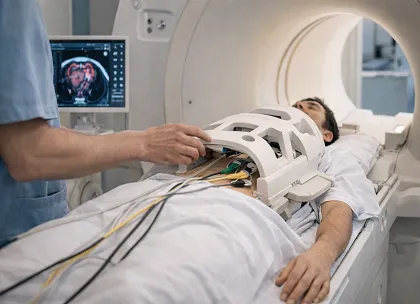
Late gadolinium enhancement cardiac magnetic resonance (LGE-CMR) is widely used to characterize arrhythmogenic substrate before ventricular tachycardia (VT) ablation, but its postprocedural role is less defined. This prospective study published in the Circulation systematically assessed scar evolution and recurrence after first substrate-based VT ablation using serial LGE-CMR.
Fifty-one patients (mean age 65.2±9.8 years; 95.8% men; 83% ischemic heart disease; left ventricular ejection fraction 34.5±10.4%) undergoing first VT ablation between March 2019 and July 2020 were included. LGE-CMR was performed before ablation and at 3–6 months (CMR-1) and 18–24 months (CMR-2). Scar characteristics—including core scar, border zone, and conducting channels—were quantified. VT recurrence was tracked over a median follow-up of 3.1 years.
Core scar mass increased from baseline to CMR-1 (12.2±1.5 to 19.8±1.6 g; P<0.01) and remained stable at CMR-2, while border zone mass decreased from 25.3±1.8 g at baseline to 20.8±2.0 g at CMR-1 and 16.7±2.1 g at CMR-2 (P < 0.01). Conducting channels decreased from a mean of 2.4±0.2 (median 2 [interquartile range 1–3]) at baseline to 1.4±0.2 (median 1 [interquartile range 0–1]) at CMR-1 and 1.6±1.0 (median 1 [interquartile range 0–1]) at CMR-2 (P < 0.001). VT recurrence occurred in 29.4% of patients. Persistence of ≥2 conducting channels at CMR-1 was associated with higher recurrence (75.6% vs 19.5%; hazard ratio 4.1; 95% CI, 2.4–12.1; P=0.012). Left ventricular volume decreased significantly at CMR-2 (131.8±8.6 mL vs 156.7±8.1 mL at CMR-1 and 160.8±7.6 mL at baseline; P < 0.01).
Postablation LGE-CMR demonstrated durable scar modification, with early assessment associated with long-term VT recurrence. These findings suggest that serial LGE-CMR may provide clinically relevant information following VT ablation.