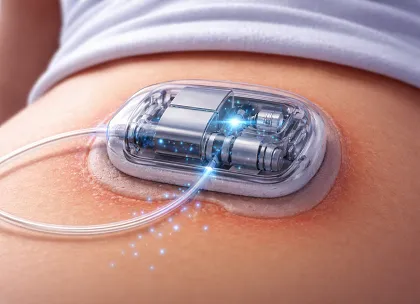
Achieving inpatient glycemic control in patients who are nil per os (NPO), on enteral tube feedings (TF), or total parenteral nutrition (TPN) is complex. This retrospective cohort study published in the Journal of Clinical Endocrinology and Metabolism evaluated whether an automated self-adjusting subcutaneous rapid-acting insulin algorithm (SQIA), programmed into the electronic medical record (EMR), improved glucose control compared with conventional insulin (CI) therapy.
Using EMR data from September 3, 2020, to September 2, 2023, investigators analyzed all adult inpatient intervals during which patients were NPO or receiving TF or TPN and were managed with SQIA or CI. A total of 5031 intervals (4310 hospitalizations) were included; 73.5% used SQIA and 26.5% CI. Outcomes were based on q4-hour point-of-care glucose measurements categorized as hypoglycemia (<70 mg/dL), in-range (71–180 mg/dL), moderate hyperglycemia (181–250 mg/dL), and severe hyperglycemia (>250 mg/dL).
Compared with CI, SQIA was associated with significantly lower proportions of hypoglycemia (0.65% vs 1.10%; difference −0.45%; 95% CI −0.62 to −0.28; P < .001) and severe hyperglycemia (5.40% vs 6.65%; difference −1.25%; 95% CI −2.03 to −0.46; P = .002). Among patients receiving glucocorticoids, severe hyperglycemia rates were lower with SQIA, particularly in those on high-dose glucocorticoids (11.1% lower).
SQIA or CI selection was not randomized and was at physician discretion. A potential confounder could have influenced both glycemic outcomes and treatment choice, although analyses adjusted for differences in length of stay, admission level of care, nutrition type, and glucocorticoid use.
In this retrospective analysis, SQIA was associated with lower proportions of hypoglycemia and severe hyperglycemia compared with conventional insulin orders. Findings should be interpreted considering nonrandomized treatment selection.