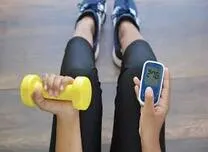
Regular physical activity is essential for long-term health, yet fear of exercise-induced hypoglycemia limits participation in people with type 1 diabetes. The European Association for the Study of Diabetes (EASD) 2025 study examined how exercise type and session energy expenditure affected glucose metrics in the 24 hours post-exercise.
Data from 22,254 exercise sessions performed by 234 adults with type 1 diabetes were analyzed. Exercise types included walking, cycling, running, rowing, swimming, yoga, functional and traditional strength training, and high-intensity interval training. Continuous glucose monitoring metrics—time below range, time in range, and time above range—were assessed by energy expenditure quartiles.
Results showed that low energy expenditure sessions were associated with lower time in range and higher time above range. Conversely, high energy expenditure increased time below range for walking, running, cycling, and traditional strength training. Some exercise types, including swimming, yoga, functional strength training, and high-intensity interval training, showed no clear pattern in glucose fluctuations based on energy expenditure.
These findings highlight that both exercise type and energy expenditure influence glucose responses in adults with type 1 diabetes, suggesting the need for personalized post-exercise glucose management strategies.