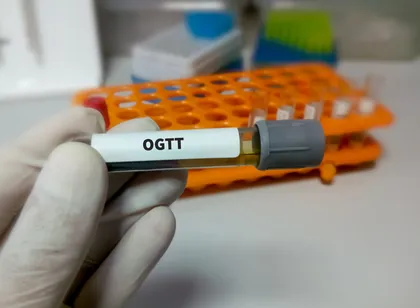
Adults with severe obesity frequently develop dysglycemia, including previously unrecognized type 2 diabetes mellitus (T2DM). Although the Finnish Diabetes Risk Score (FINDRISC) is widely used for diabetes risk assessment, its performance in severe obesity has been incompletely evaluated. A cross-sectional study published in Diabetology & Metabolic Syndrome assessed the ability of FINDRISC to identify previously undiagnosed T2DM in adults with severe obesity.
The analysis included 632 adults with a median body mass index (BMI) of 46.2 kg/m² who underwent oral glucose tolerance testing (OGTT), glycated hemoglobin (HbA1c) assessment, and FINDRISC evaluation. The primary endpoint was identification of previously undiagnosed T2DM, while secondary outcomes included glycemic status distribution and associations with circulating adipokines.
Findings
- Normoglycemia, prediabetes, and previously undiagnosed T2DM were identified in 44%, 46%, and 10% of participants, respectively.
- FINDRISC scores increased progressively across worsening glycemic categories (p<0.001).
- The area under the receiver operating characteristic (ROC) curve for identifying undiagnosed T2DM was 0.72 (95% CI, 0.65–0.78).
- A FINDRISC cutoff of 13 demonstrated 95.1% sensitivity and 98.2% negative predictive value for ruling out undiagnosed T2DM.
- Application of the FINDRISC cutoff could allow 26% of participants to avoid additional blood testing.
- Adiponectin and leptin levels were lower in participants with T2DM than in those with normoglycemia or prediabetes.
The findings suggest that FINDRISC may serve as a practical rule-out screening tool for undiagnosed T2DM in adults with severe obesity.