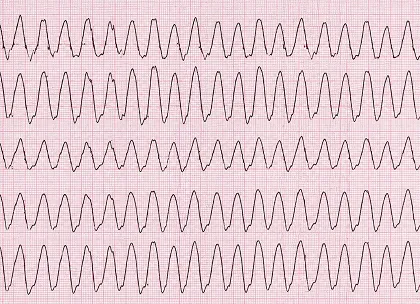
A systematic review and meta-analysis published in the Medicine evaluated whether catheter ablation (CA) as an initial treatment strategy improves outcomes compared with standard medical therapy and/or implantable cardioverter defibrillators (ICDs) implantation alone.
The analysis included randomized controlled trials comparing first-line CA with conventional therapy in adults with ischemic or nonischemic cardiomyopathy and ventricular tachycardia (VT). Databases including PubMed, Embase, MEDLINE, Cochrane Library, Google Scholar, Elsevier, and ClinicalTrials.gov were searched from inception through completion of the literature review. Risk of bias was assessed using the ROB 2.0 tool, and certainty of evidence was evaluated with the GRADE framework.
Eight randomized controlled trials involving 1,333 patients were included. The primary composite outcome consisted of VT recurrence, appropriate ICD shocks, cardiovascular hospitalization, severe treatment-related complications, and death.
Findings
- First-line CA was associated with a lower risk of the composite primary outcome compared with standard therapy (HR 0.66; 95% CI 0.55-0.80; P < .0001).
- Subgroup analysis showed greater benefit among patients with ischemic cardiomyopathy (HR 0.69).
- Results in mixed cardiomyopathy populations were less conclusive because of smaller sample sizes.
- Mortality risk was numerically lower with CA (HR 0.88).
The findings suggest that an initial strategy of catheter ablation may improve clinical outcomes in patients with structural heart disease and ventricular tachycardia compared with standard therapy alone.