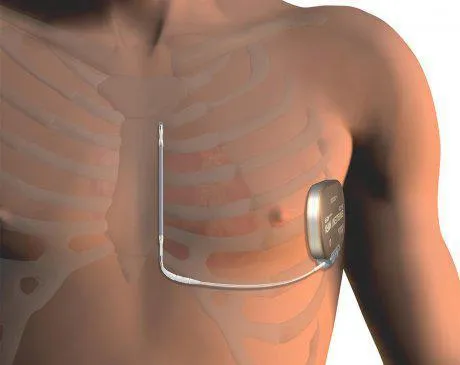
For patients receiving subcutaneous implantable cardioverter defibrillator (S-ICD) therapy without transvenous leads, long-term safety events and device performance remain key clinical considerations. Nationwide, unselected data may clarify expected outcomes beyond early procedural results. In the European Heart Journal, five-year outcomes after S-ICD implantation were reported from a nationwide academic observational study.
The ongoing HONEST study enrolled 98.2% of patients implanted with an S-ICD in France between 2012 and 2019, with five-year clinical endpoints centrally adjudicated. A total of 4,924 patients were included, with a mean age of 49.9 ± 15 years; 76.7% were male, and 63.0% received the device for primary prevention. Implantation was performed under general anesthesia in 78.9%, defibrillation testing in 82.6%, and perioperative complications within 30 days occurred in 4.4%.
At five years, cumulative incidence rates were 13.8% for inappropriate shocks, 10.8% for early battery depletion, 2.4% for infection, 1.5% for lead dysfunction, and 1.4% for chronic discomfort. Reoperation occurred in 16.9%, cardiac pacing in 3.1%, and definite S-ICD extraction in 8.4%. Inappropriate shocks were independently associated with male sex, obesity, arrhythmogenic right ventricular cardiomyopathy (ARVC), and pacemaker presence. Use of a filtering algorithm was associated with a lower risk of inappropriate shocks (hazard ratio 0.67, 95% confidence interval 0.50–0.89; P = .007). Ineffective shocks or undetected arrhythmias occurred in 0.2%. Overall mortality was 11.1%, with no deaths related to S-ICD extraction.
These findings refine the long-term event profile of S-ICD therapy in routine clinical practice.