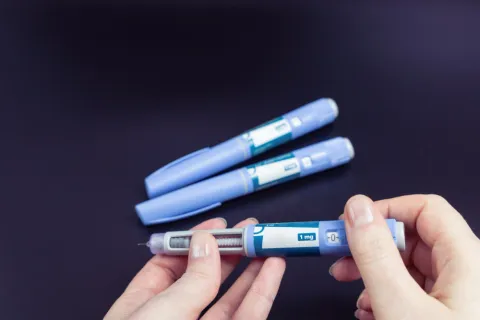
As use of glucagon-like peptide 1 receptor agonists (GLP-1 RAs) expands in diabetes and obesity care, understanding class-wide safety differences has become increasingly important. A pharmacovigilance analysis published in Diabetes Therapy identified distinct adverse event reporting patterns across all seven approved GLP-1 RAs using the World Health Organization VigiBase database. The study aimed to compare safety signals beyond single-drug or organ-specific analyses.
The analysis evaluated 348,649 reports entered through January 2025 and used reporting odds ratio (ROR) and information component (IC) methods to detect disproportionate safety signals. Signals were considered significant when ROR025 exceeded 1, and IC025 exceeded 0. Subgroup analyses assessed differences by sex and age, while randomized controlled trial data were reviewed to support signal interpretation.
Gastrointestinal disorders were the most frequently reported System Organ Class across the drug class. Notable signals included tirzepatide for abdominal pain (ROR025, 53.54), liraglutide for drug ineffectiveness (ROR025, 31.14) and pancreatitis (ROR025, 4.24), exenatide for injection site pain (ROR025, 70.14), and albiglutide for device use error (ROR025, 1424.33). Male patients and younger adults aged 18 to 44 years generally showed higher positive reporting rates.
These findings confirm recognized adverse effects while highlighting drug-specific reporting patterns that may help guide individualized treatment selection and post-marketing safety surveillance. As with all spontaneous reporting analyses, findings reflect reported associations rather than confirmed causality.