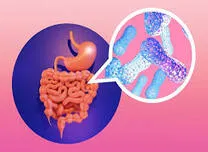
Early-onset Type 2 Diabetes Mellitus (EOT2DM), defined by the World Health Organization as Type 2 Diabetes diagnosed before the age of 40, represents a growing public health challenge. At the European Association for the Study of Diabetes (EASD) 2025, a cross-sectional study investigated the gut microbiota and metabolic characteristics of 370 participants, including 84 patients with EOT2DM, 105 late-onset Type 2 Diabetes Mellitus (LOT2DM) patients, 74 young healthy controls, and 107 elderly healthy controls.
Fecal samples underwent 16S ribosomal RNA sequencing and untargeted metabolomics, and fecal microbiota transplantation was performed in pseudo-sterile mice. Patients with EOT2DM showed significant alterations in gut microbiota composition, with enrichment of Lachnospiraceae, Ruminococcaceae, and Bacteroidaceae. Functional predictions highlighted pathways related to carbohydrate metabolism, lipopolysaccharide biosynthesis, and phosphoinositide 3-kinase/protein kinase B signaling.
Mechanistic studies demonstrated that dysbiosis increased intestinal permeability and endotoxin translocation, triggering systemic inflammation and impairing insulin receptor substrate/protein kinase B signaling and pancreatic duodenal homeobox-1 expression. Fecal microbiota transplantation confirmed that these microbial changes contribute to insulin resistance and β-cell dysfunction. These findings provide insights into microbial mechanisms underlying EOT2DM and suggest potential avenues for early intervention and precision therapy.