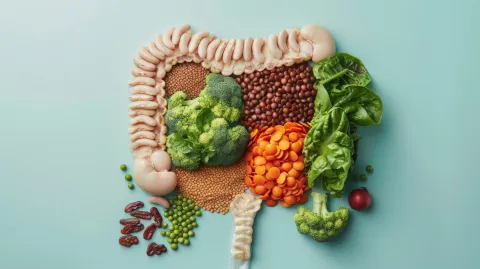
Alterations in gut microbiota composition have been increasingly discussed in the context of type 2 diabetes mellitus (T2DM). A review published in Diabetology summarized experimental and clinical evidence evaluating the relationship between dietary fibers, prebiotics, gut microbiota modulation, and metabolic outcomes in people with T2DM.
The review assessed findings from relevant experimental and clinical studies that examined the effects of dietary fibers and prebiotics on microbial diversity, short-chain fatty acid (SCFA) production, intestinal barrier function, bile acid signaling, and glycemic control. The objective was to synthesize current evidence describing microbiota characteristics observed in T2DM and metabolic changes reported after dietary fiber or prebiotic intake.
The compiled evidence indicated that T2DM was associated with reduced abundance of SCFA-producing bacteria, increased intestinal permeability, metabolic endotoxemia, and altered bile acid metabolism. Across the reviewed studies, dietary fibers and prebiotics were reported to increase SCFA production, support intestinal barrier integrity, and influence inflammatory and metabolic pathways. Clinical evidence also showed modest improvements in glycemic and inflammatory parameters.
However, outcomes varied depending on fiber type, dose, and baseline microbiota composition. The review noted that further standardized and long-term randomized studies integrating microbiome profiling and clinically significant endpoints are required to better define the role of dietary fibers and prebiotics in T2DM.