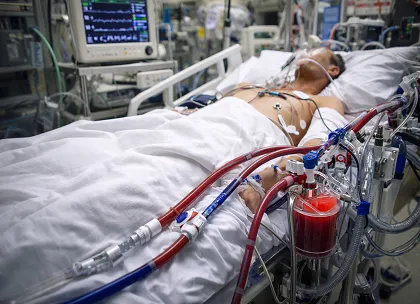
Temporary mechanical circulatory support is frequently used in cardiogenic shock, yet real-world hemodynamic trajectories during different support strategies remain incompletely described. A multicenter observational registry analysis from Japan evaluated hemodynamic trends in patients with cardiogenic shock treated with either an isolated microaxial flow pump (mAFP) or mAFP combined with venoarterial extracorporeal membrane oxygenation (ECMO+mAFP). Using mixed-effect models, hemodynamic indices were assessed from pre-implantation, immediately post-implantation, 24 hours after mAFP installation, and through to device explantation. The results were published in the Journal of Cardiac Failure.
A total of 409 patients (mean age 67 years; 75% male) were included, with 206 receiving isolated mAFP and 203 receiving ECMO+mAFP. In the isolated mAFP group, pulmonary artery wedge pressure decreased by 11.8 mmHg, and right atrial pressure decreased by 5.8 mmHg from immediately before implantation to just before explantation. Cardiac output increased by 1.32 L/min during this interval.
In the ECMO+mAFP group, cardiac output increased by 2.8 L/min, and cardiac power output increased by 0.4 W during the same period. Hemodynamic trajectories were similar between survivors and non-survivors in the isolated mAFP group. However, among patients receiving ECMO+mAFP, survivors demonstrated additional increases in cardiac output, aortic pulsatility index, and myocardial performance score, in addition to the reductions in pulmonary artery wedge pressure and diastolic pulmonary arterial pressure after VA-ECMO explantation.
These findings suggest that serial hemodynamic monitoring may help characterize recovery patterns during combination mechanical circulatory support, although future studies must clarify implications for long-term outcomes.