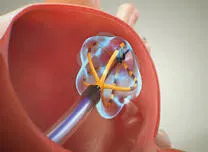
Pulsed-field ablation (PFA) is increasingly used to treat atrial fibrillation due to its tissue-selective electroporation, which limits collateral damage. However, concerns about procedure-related hemolysis have emerged, and data comparing different PFA systems remain limited. ESC 2025 highlighted a Swiss study that assessed hemolysis biomarker changes in patients undergoing pulmonary vein isolation with three PFA catheter systems: pentaspline (PCS), loop (LCS), and variable-loop circular (VLCC).
The study enrolled 175 consecutive patients (median age 68 years; 33% female; 59% paroxysmal AF) between August and December 2024. Baseline hemolysis markers were similar across groups, but post-procedural measurements revealed significant differences. The PCS group showed higher total and indirect bilirubin, elevated LDH, and lower haptoglobin compared to the LCS group (all p<0.05). No significant differences were observed between PCS and VLCC or LCS and VLCC groups.
These findings indicate that the choice of PFA system may influence hemolysis severity. The authors recommended further studies to evaluate potential clinical outcomes, including acute kidney injury, anemia, and hematuria, to guide device selection and optimize patient safety.