Is Banner Display?
Off
Page Content
#ffffff

Even after surviving a heart attack, the danger may not be over. Findings presented at the European Society of Cardiology (ESC) Congress 2025 reveal that inflammation and lipid abnormalities act together to magnify the risk of future cardiovascular events.

Published in the Journal of Cardiology, this retrospective study evaluated 1,152 patients who underwent percutaneous coronary intervention following acute myocardial infarction between 2004 and 2017. Patients were categorized into four groups based on median levels of lipoprotein(a) and C-reactive protein. Over a median follow-up of 2.5 years, 6.7% experienced major adverse cardiac or cerebrovascular events, including cardiovascular death, recurrent myocardial infarction, or stroke.

Those with both elevated lipoprotein(a) and high C-reactive protein faced a 2.6-fold higher risk of recurrent events compared with patients showing lower levels. The authors emphasize that simultaneous targeting of lipid and inflammatory pathways could help improve secondary prevention in post-infarction care.
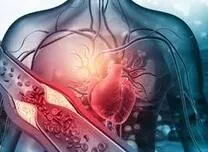
Anonymous user
On
Authenticated user
On
Premium
On
Paid / Sponsored
On
Key highlights
  • Elevated lipoprotein(a) and C-reactive protein levels together increase the risk of recurrent heart or brain events.
  • Patients with both markers elevated had more than double the rate of major cardiac or cerebrovascular events.
  • Findings support closer inflammatory and lipid monitoring after heart attack recovery.
Source

Wada H, Ogita M, Yamada A, et al. Combined effect of lipoprotein(a) and C-reactive protein on future cardiovascular outcomes after acute myocardial infarction. Presented at: ESC Congress 2025; August 29-September 1, 2025; London, United Kingdom. https://esc365.escardio.org/presentation/304433 

Thumbnail
High Lipoprotein(a) and C-Reactive Protein Levels Double Risk of Recurrent Heart Events After Heart Attack
Schedule Date & Time
Speciality
Currency
Sub Sub Speciality
Short Description

Study links inflammation and lipid factors to higher cardiovascular risk in post–myocardial infarction patients.
 

Release Date
Is Paid
0