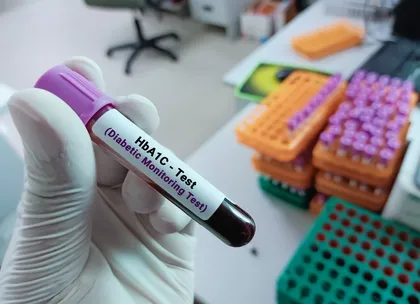
Identifying individuals at highest risk of progression from prediabetes to type 2 diabetes mellitus (T2DM) remains important for targeted prevention strategies. A retrospective cohort study published in the Journal of Diabetes & Metabolic Disorders evaluated clinical and demographic factors associated with progression from prediabetes to T2DM in a majority-minority population in the United States.
The analysis used deidentified electronic health record data from the University of California, Irvine Health between 2013 and 2023. Adults with confirmed prediabetes based on ICD codes and HbA1c values were included. Ordinal logistic regression and Cox proportional hazards models were used to identify predictors of progression timing and T2DM risk.
Findings
- The study included 2,648 adults with confirmed prediabetes, of whom 510 (19.3%) developed T2DM.
- Among individuals who progressed to T2DM, 81.6% converted within 5 years of the initial prediabetes diagnosis.
- Individuals who developed T2DM had higher obesity rates and were more likely to identify as Hispanic/Latino at baseline (P < 0.001).
- Higher baseline HbA1c was independently associated with earlier progression to T2DM (odds ratio 0.41 per 1% increase; P < 0.001).
- Elevated baseline triglyceride levels showed an additional association with earlier T2DM progression (P = 0.047).
- Hispanic/Latino ethnicity was associated with increased risk of progression to T2DM (adjusted hazard ratio 1.25; 95% confidence interval 1.03-1.49; P = 0.021).
Higher baseline HbA1c and triglyceride levels were associated with earlier progression from prediabetes to T2D. Hispanic/Latino ethnicity was also associated with increased conversion risk. The findings support early targeted intervention strategies in individuals with high-risk metabolic and demographic profiles.