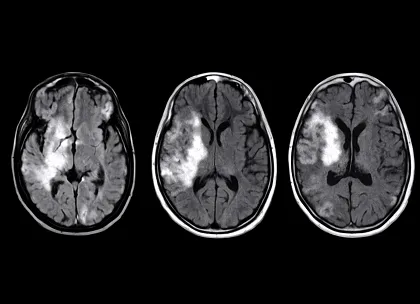
Ischemic stroke (IS) remains a leading cause of death and long-term disability worldwide. A cohort analysis using data from the UK Biobank, published in the International Journal of Cardiology, evaluated the association between cardiovascular health (CVH), measured using the Life’s Essential 8 (LE8) score, and incident ischemic stroke (IS), and examined whether genetic susceptibility modifies this association.
The analysis included 234,991 participants without prior IS at baseline, with a median age of 58 years (IQR 50-64; range 37-73 years). CVH was categorized using LE8 scores as low (<50), intermediate (50-79), or high (≥80). Genetic risk was assessed using a genome-wide association study-derived polygenic risk score (PRS), classified as low (Q1), intermediate (Q2-Q4), or high (Q5). Cox proportional hazards models were applied to estimate hazard ratios (HRs) for incident IS, with subgroup, joint-effect, and interaction analyses.
During a median follow-up of 13.6 years, 4,220 incident IS cases were recorded. Each 10-point increase in LE8 score was associated with an 18% lower IS risk (HR 0.82; 95% CI 0.80-0.84).
Compared with participants with low CVH, intermediate and high CVH were associated with 37% and 51% lower IS risks, respectively. Associations were stronger among women and younger adults. Joint analyses indicated that higher CVH was associated with lower excess IS risk among individuals with high PRS.
Better CVH measured by LE8 was inversely associated with IS risk across genetic risk categories. The findings suggest potential value in evaluating CVH together with PRS for IS risk assessment.