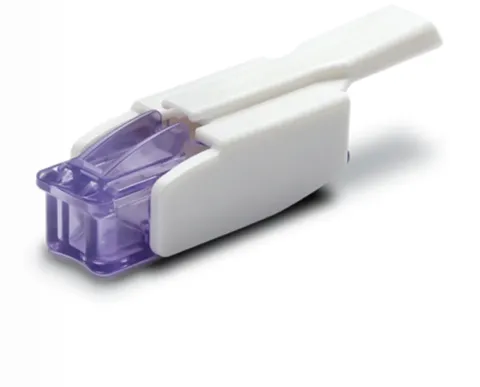
Determining appropriate dose conversion when transitioning to inhaled insulin remains a practical issue in type 1 diabetes management. A multicenter, randomized clinical trial published in AACE Endocrinology and Diabetes evaluated dosing patterns when technosphere insulin was initiated at a higher conversion dose than recommended in the US Prescribing Information.
Adults with type 1 diabetes were randomized to inhaled technosphere insulin plus insulin degludec or usual care. Inhaled insulin was started using a 2:1 inhaled insulin–to–rapid-acting insulin analog unit conversion, rounded down to the nearest cartridge, and titrated to glycemic targets. Dosing data were collected at baseline, 17 weeks, and 30 weeks.
Among participants randomized to inhaled insulin with complete 30-week dosing data (N=35), mean total daily dose increased from 36 units at baseline to 48 units at 17 weeks (P=0.002) and 52 units at 30 weeks (P<0.001). At 17 weeks, 57% of participants had increased their inhaled insulin dose by more than 4 units, rising to 74% by week 30. The bolus-to-basal ratio shifted from approximately 50%/50% prestudy rapid-acting insulin analog to 70%/30% with inhaled insulin (P<0.001). No new safety signals were identified.
These findings indicate that most participants who initiated inhaled technosphere insulin at a higher conversion dose still required additional uptitration for glucose management. Higher unit dosing requirements were observed in this clinical setting to support individualized titration toward glycemic targets.