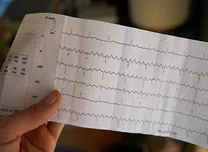
Screening-detected AF was strongly associated with increased risks of stroke, death, and heart failure in middle-aged adults. Published in Circulation, the analysis used the Japan Health Insurance Association database to assess the incidence and cardiovascular outcomes of AF identified during annual workplace screening ECGs. The cohort included 9.5 million adults aged 35 to 59 years without prior cardiovascular disease, of whom 11,790 had newly detected AF.
Over three years, individuals with AF experienced ischemic stroke in 1.83%, all-cause death in 0.78%, and heart failure in 3.87%. Compared with age- and sex-matched controls, AF cases had significantly higher risks of ischemic stroke (hazard ratio [HR] 5.38; 95% CI 4.51–6.42), all-cause death (HR 1.98; 95% CI 1.66–2.36), and heart failure (HR 18.35; 95% CI 15.10–22.31). AF cases were older and predominantly male, with mean ages of 50.9 and 46.3 years and male proportions of 91.6% and 63.6% in AF and non-AF groups, respectively.
Screen-detected AF indicates high cardiovascular risk in middle-aged adults. It may represent an early signal for future ischemic stroke and heart failure.