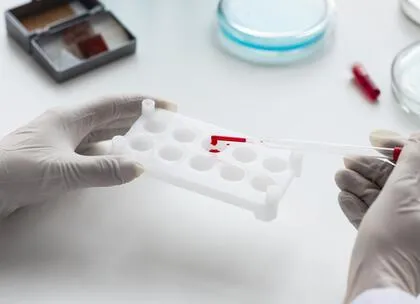
Monitoring β-cell function in type 1 diabetes often relies on repeated mixed-meal tolerance tests (MMTTs), which can be burdensome in longitudinal studies. An analysis from the USTEKID trial published in Diabetes Care evaluated whether less invasive home-based methods, including dried blood spot (DBS) sampling and urine C-peptide-to-creatinine ratio (UCPCR), could detect changes in β-cell function during follow-up.
The USTEKID trial enrolled patients with type 1 diabetes and assessed C-peptide at screening and at weeks 28 and 52 using 2-h MMTTs. Participants provided UCPCR samples after each MMTT, while fasting and 60-minute postmeal DBS samples were collected weekly through week 28 and monthly through week 52.
Findings
DBS area under the curve (AUC) from 0 to 60 minutes declined steadily over 12 months.
UCPCR did not change during the initial 6 months of follow-up.
Significant between-group differences in DBS decline emerged by week 20 (p<0.05).
MMTT identified between-group differences only at week 52.
Six months of DBS data predicted 12-month MMTT C-peptide outcomes in the control group but not in the intervention group.
Frequently sampled glucose-adjusted DBS monitoring was more sensitive to early β-cell change than MMTT during the first year of follow-up, whereas UCPCR appeared less sensitive during the early study period. The findings suggest DBS sampling may be useful for longitudinal β-cell monitoring in clinical trials.