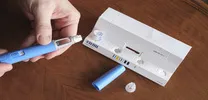
A novel injection-free device delivering continuous subcutaneous exenatide (ITCA 650) produced significant reductions in HbA1c in patients with poorly controlled T2DM. The findings were presented at the European Association for the Study of Diabetes (EASD) Annual Meeting 2025.
The open-label study enrolled 60 patients aged 18–80 years with baseline HbA1c between 10% and 12%. Participants received ITCA 650, initiated at 20 mcg/day for 13 weeks and escalated to 60 mcg/day for 26 weeks. Participants maintained their ongoing oral antidiabetic therapy during the study
By week 39, mean HbA1c decreased by 2.8% from baseline (p<0.001), and 22% of patients achieved HbA1c below 7%. Reductions were evident as early as week 6. In addition to glycemic improvements, body weight declined and treatment goals were met in a notable proportion of participants.
Adverse events were mostly gastrointestinal, including nausea, vomiting, and diarrhea, which diminished after the first week. Six patients (10%) discontinued due to adverse events, but no cases of pancreatitis or major hypoglycemia were observed. Minor hypoglycemia occurred in 6.7% of patients, and all serious adverse events were deemed unrelated to the device.
These findings support ITCA 650 as a promising therapeutic option for patients with T2DM who have severely uncontrolled glycemia and difficulty achieving targets with conventional therapies. Its unique delivery system offers the benefits of GLP-1 receptor agonist therapy without the need for frequent injections.