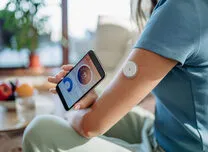
The impact of glucose monitoring technologies on quality of life remains uncertain in individuals with early dysglycemia. A secondary analysis published in Diabetology International evaluated quality-of-life outcomes associated with isCGM in overweight adults with impaired glucose tolerance or mild type 2 diabetes.
This analysis was derived from a pilot randomized controlled weight-loss trial that enrolled 40 participants with a body mass index of at least 25 kg/m². Participants were randomized to isCGM combined with diet-and-exercise therapy or to diet-and-exercise therapy alone. Quality of life was assessed using the 36-Item Short Form Health Survey over a 6-month intervention period.
After exclusion of participants with missing data or withdrawal of consent, 17 individuals in the isCGM group and 16 in the control group were included in the analysis. No significant differences in overall quality-of-life changes were observed between the two groups during the intervention period.
Within the isCGM group, the Mental Component Summary score improved significantly from 44.8 to 48.4 (P < 0.05). In contrast, the Role and Social Component Summary score declined significantly from 52.2 to 44.8 (P < 0.05). Scan frequency was positively correlated with baseline Vitality, Mental Health, and Mental Component Summary scores. Changes in time above range and the standard deviation of sensor glucose were negatively correlated with changes in the General Health score.
These findings indicate that isCGM does not confer a net quality-of-life advantage over lifestyle intervention alone in overweight individuals with impaired glucose tolerance or mild diabetes. The results suggest that while isCGM may support mental well-being, it may also be associated with perceived social or role-related burdens.