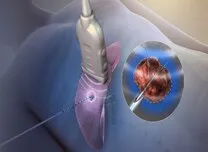
Catheter ablation has demonstrated superior arrhythmia control in ischemic heart disease with ventricular tachycardia. EP Europace reported a meta-analysis of randomized controlled trials evaluating catheter ablation versus anti-arrhythmic drugs in adults with implanted ICDs.
The study included 947 adults from four randomized controlled trials. Mean age measured 68 years and 93% were male. Catheter ablation reduced appropriate ICD therapy compared with anti-arrhythmic drugs (risk ratio [RR] 0.81, 95% confidence interval [CI] 0.67–0.97, p=0.02). Cardiovascular rehospitalization was also reduced (RR 0.84, 95% CI 0.72–0.99, p=0.04). Adverse events were lower in the catheter ablation group (RR 0.42, 95% CI 0.28–0.62, p<0.01). All-cause and cardiovascular mortality and inappropriate ICD therapy did not differ between groups.
In subgroup evaluation, catheter ablation was more effective than sotalol based on a composite endpoint of ICD shock, ventricular tachycardia storm and all-cause death (RR 0.82, 95% CI 0.69–0.98, p=0.03). No significant difference was observed compared with amiodarone (RR 0.92, 95% CI 0.78–1.09, p=0.32).
The analysis supports catheter ablation as an effective strategy to reduce arrhythmia-related interventions and rehospitalization in ischemic ventricular tachycardia, with greatest benefit relative to sotalol.