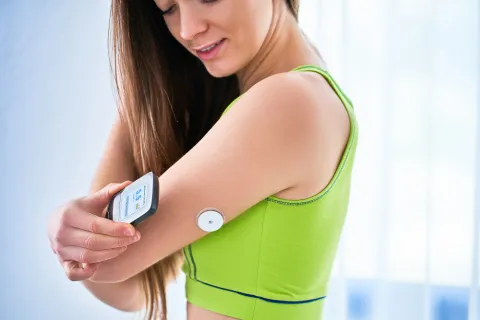
As algorithm-enabled care models expand in type 1 diabetes mellitus (T1DM), clinics lack structured tools to track their impact on patient outcomes and clinical workload. An analysis published in JMIR Diabetes described the development of a clinic-facing key performance indicator (KPI) framework for continuous glucose monitoring (CGM)-based remote patient monitoring programs.
The framework used CGM data from the Teamwork, Targets, Technology, and Tight Control (4T) Study, including 268 youth from the pilot (n=135) and Study 1 (n=133) cohorts. In this model, algorithms identified individuals with worsening glucose management, prompting review by certified diabetes care and education specialists.
Through iterative data analysis and stakeholder input, seven core metrics were defined across three domains. Clinical workload metrics included the number of individuals enrolled, stratified by study and clinician. Glucose management metrics tracked the number of individuals meeting criteria for clinical review, including total counts and clinician-specific distributions.
Timeliness of care was assessed by measuring the number of days between meeting review criteria and clinical follow-up. These metrics were integrated into an interactive dashboard designed for clinical and administrative oversight.
When applied in routine leadership meetings, the framework enabled data-driven evaluation of workload distribution, patient prioritization, and response timing. This structured approach provides a reproducible method to monitor algorithm-directed care delivery and may support optimization of CGM-based remote monitoring programs in T1DM.