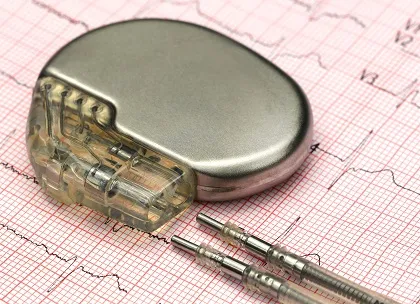
Implantable cardioverter-defibrillators (ICDs) remain an established strategy for reducing sudden cardiac death in selected high-risk populations. A retrospective cohort analysis published in the International Journal of Cardiology evaluated long-term survival after ICD implantation according to underlying cardiomyopathy etiology.
The study included 1,091 consecutive adults who underwent ICD implantation between 2015 and 2024 at a regional referral center in Asturias, Spain. Patients were categorized as ischemic cardiomyopathy (ICM), non-ischemic dilated cardiomyopathy (NI-DCM), or other arrhythmogenic cardiac conditions (ACC), including hypertrophic cardiomyopathy. Expected survival was derived from national life tables matched for age, sex, calendar year, and region.
Findings
- The cohort had a mean age of 63.1 ± 13.1 years, 82.1% were male, and the mean left ventricular ejection fraction was 37.9 ± 19.3%.
- ICD implantation was performed for primary prevention in 75.6% of patients.
- Ischemic cardiomyopathy was the most common etiology (53.9%), followed by NI-DCM (30.4%) and ACC (15.7%).
- Patients with ischemic cardiomyopathy demonstrated the poorest long-term prognosis after ICD implantation and showed excess mortality compared with the general population.
- NI-DCM demonstrated intermediate long-term outcomes, whereas ACC survival trajectories more closely approximated expected population survival.
The analysis showed that long-term survival after ICD implantation differed according to cardiomyopathy etiology. Ischemic cardiomyopathy was associated with the poorest prognosis, whereas arrhythmogenic cardiac conditions showed survival patterns closer to the general population.