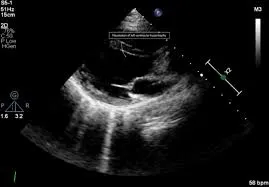
Etiological differentiation remains challenging in patients with mild left ventricular dysfunction. DCM and IHD often present with overlapping clinical and functional features, which complicates early diagnosis and treatment selection. A study published in the Journal of Cardiovascular Medicine evaluated whether combining myocardial deformation and autonomic markers could improve diagnostic discrimination using interpretable machine learning models.
This retrospective exploratory analysis included 188 consecutive patients with LVEF between 40% and 50%. The cohort comprised 97 patients with DCM, with a mean age of 57 ± 15 years and 63 males. The IHD group included 91 patients, with a mean age of 71 ± 11 years and 73 males. All patients underwent 24-hour Holter electrocardiogram monitoring and echocardiographic assessment within three months of inclusion.
HRV features were derived from Holter recordings, and GLS was obtained from echocardiographic imaging. Feature selection was performed using the ReliefF method. Interpretable predictive models were constructed using HRV parameters, GLS, sex, and age. The logistic regression model achieved a classification accuracy of 76%. The area under the curve was 83%.
The most relevant discriminative variables included sex and age. Autonomic markers such as mean RR, fractal dimension, high-frequency normalized HRV, pNN50, SD1/SD2, SD1, and low-frequency normalized HRV were also important. GLS contributed independently to model performance. These findings support differentiation between DCM and IHD in patients with mildly reduced LVEF.