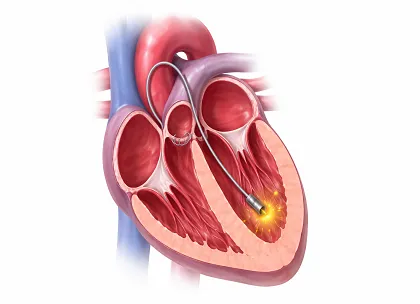
Dual-chamber pacemakers can harm left ventricle function at high burden. Right ventricular (RV) pacing's effect on RV remodeling needs study. In a recent study published in the Arrythmia and Electrophysiology Review, the researchers conducted a systematic review and meta-analysis on RV function changes post-RV pacing.
Following PRISMA guidelines, searches covered Embase, PubMed, SCOPUS to March 2024. Studies reported RV parameters: RVEF, sPAP, TAPSE, RV volume, S′, FAC, RIMP, tricuspid regurgitation. Eighteen studies with 1,220 patients qualified. Pooled mean differences assessed pacing effects. Subgroup analyses checked pacing site and duration.
RV pacing tied to S′ drop (−1.35 cm/s, 95% CI −2.36 to −0.34, p=0.009). RVEF fell non-significantly (2.28%, p=0.21); TAPSE (−0.04 cm, p=0.57), RIMP (−0.07, p=0.52), FAC (−0.12%, p=0.95), sPAP (3.73 mmHg, p=0.46). Heterogeneity high (I²>89%). Pacing site mattered: apical pacing hurt TAPSE, S′, FAC, sPAP most; LBBAP showed least impact. Duration affected RIMP (p=0.01).
In this meta-analysis, RV pacing associated with significant S′ decline and variable effects on other RV measures. Apical pacing linked to worse outcomes; LBBAP better. High heterogeneity noted, suggesting further covariate studies.