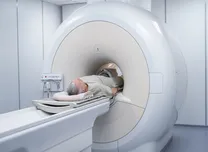
MRI-derived VAT demonstrated a strong association with cardiovascular events in a large population-based cohort. The study, published in Progress in Cardiovascular Diseases, assessed whether VAT improves risk prediction for atherosclerotic cardiovascular disease (ASCVD), HF, and total cardiovascular disease when incorporated into the PREVENT model.
The analysis included 38,373 UK Biobank participants without known cardiovascular disease at baseline. Abdominal MRI quantified VAT volume, and model performance for cardiovascular outcomes was evaluated using discrimination metrics and net reclassification improvement (NRI). The median VAT volume was 3.58 L, and the mean age of the cohort was 54.86 years.
Higher VAT was associated with increased risk of ASCVD (HR 1.32; 95% CI 1.15–1.51), HF (HR 1.55; 95% CI 1.27–1.89), and total cardiovascular disease (HR 1.38; 95% CI 1.23–1.55). Adding VAT to the PREVENT model did not improve discrimination for any outcome. However, VAT significantly improved risk reclassification, with NRI values of 0.37 for ASCVD, 0.48 for HF, and 0.37 for total cardiovascular disease.
These results indicate that MRI-derived VAT refines individualized cardiovascular risk assessment even though it does not enhance overall model discrimination.