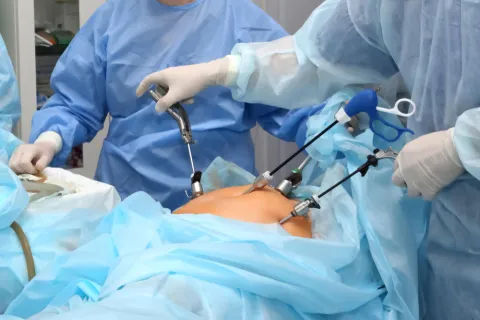
Can metabolic bariatric surgery significantly alter insulin requirements in patients with type 1 diabetes mellitus (T1DM) and obesity? A multicenter retrospective analysis published in Diabetes Care evaluated metabolic outcomes following metabolic bariatric surgery (MBS) in 162 individuals living with T1DM and obesity.
The analysis assessed total weight loss, daily insulin requirements, glycated hemoglobin (HbA1c), and cardiometabolic parameters before and 1 year after surgery. Longitudinal models were applied to identify factors associated with variability in metabolic response.
At 1 year, the mean total weight loss reached 29.7% (interquartile range [IQR] 29.4-30.3). Daily insulin requirements decreased from 0.75 (IQR 0.58-1.00) units/kg/day to 0.32 (IQR 0.23-0.43) units/kg/day (P < 0.001). HbA1c decreased from 64.0 (IQR 57.0-74.0) mmol/mol to 60.0 (IQR 53.4-68.0) mmol/mol (P < 0.001).
Lipid parameters, including low-density lipoprotein cholesterol (LDL), high-density lipoprotein cholesterol (HDL), total cholesterol, and triglycerides, showed significant improvement following surgery (P < 0.001 for all). Greater total weight loss was associated with lower insulin requirements, while higher baseline HbA1c was associated with less favorable glycemic outcomes after surgery.
These findings indicate that MBS was associated with substantial changes in weight, insulin requirements, glycemic measures, and lipid parameters in individuals with T1DM and obesity. The magnitude of response varied according to baseline metabolic status.