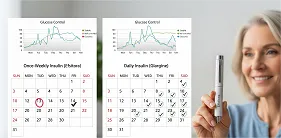
In a recent phase 3, open-label clinical trial, a new once-weekly basal insulin, efsitora alfa (efsitora), demonstrated noninferiority to the standard once-daily insulin glargine U100 in managing type 2 diabetes (T2D) in adults who had never previously received insulin therapy. This fixed-dose insulin regimen, which requires fewer adjustments, could provide a new treatment option for people with T2D who are just beginning insulin therapy. The study was published in New England Journal of Medicine.
The 52-week trial involved 795 adults with T2D who were randomized to receive either efsitora or insulin glargine. Efsitora was initiated at a single dose of 100 U, with dose adjustments made every four weeks if needed to achieve a target fasting blood glucose level of 80-130 mg/dL. On the other hand, insulin glargine doses were adjusted weekly or more frequently, following a standard titration algorithm.
At the end of the trial, both insulin regimens showed similar reductions in glycated hemoglobin (HbA1c) levels. The mean HbA1c dropped from 8.20% at baseline to 7.05% in the efsitora group and from 8.28% to 7.08% in the glargine group. The estimated between-group difference was -0.03 percentage points, confirming that efsitora was noninferior to glargine, although no statistical superiority was shown (P = 0.68).
Efsitora also demonstrated a significant advantage in terms of hypoglycemia. The rate of clinically significant hypoglycemia (glucose levels <54 mg/dL) or severe hypoglycemia was lower in the efsitora group (0.50 events per participant-year compared to 0.88 in the glargine group, indicating a 43% lower incidence of hypoglycemic events with efsitora.