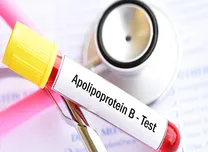
Residual cardiovascular risk after acute coronary syndrome (ACS) varied according to oxidized lipid burden and lipid-lowering therapy. In an analysis from the ODYSSEY OUTCOMES trial published in Circulation, OxPL-apoB was associated with MACE under standard therapy but not with alirocumab treatment.
This analysis included participants with recent ACS receiving optimized statin therapy. OxPL-apoB and Lp(a) were measured at baseline in 11630 participants and at 4 months in 5 185 participants randomized to alirocumab or placebo. Median follow-up was 2.9 years. Median age was 58 years, and 23.9% of participants were female.
In the placebo group, each doubling of baseline OxPL-apoB was associated with higher MACE risk (hazard ratio [HR] 1.081; 95% confidence interval [CI] 1.026-1.139; P = 0.0034). After inclusion of Lp(a) in the model, the association between OxPL-apoB and MACE was no longer significant. A significant 3-way interaction was observed among OxPL-apoB, Lp(a) stratified at the median, and treatment assignment (Pinteraction = 0.0023).
In the alirocumab group, neither OxPL-apoB nor Lp(a) showed a significant association with MACE, regardless of Lp(a) concentration. These findings indicate that OxPL-apoB was associated with cardiovascular risk when Lp(a) levels were relatively low under placebo but not with alirocumab treatment.