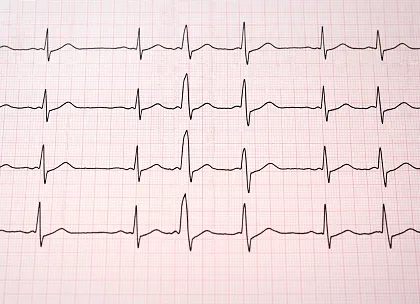
Discordant exercise stress testing (EST), characterized by electrocardiogram (ECG)-positive findings with a negative transthoracic echocardiogram (TTE), can complicate the evaluation of suspected myocardial ischemia. A retrospective analysis published in Heart, Lung, and Circulation evaluated clinical and electrocardiographic features associated with obstructive coronary artery disease (CAD) among patients with this discordant test pattern.
Consecutive patients assessed between November 2010 and June 2021 were included if they were aged >18 years and had undergone invasive or computed tomography coronary angiography within 12 months of EST. Patients with prior coronary revascularization were excluded.
Among 115 patients meeting inclusion criteria, 72% (n=83) were male and the mean age was 62 years.
Angiographic evaluation showed that 85% (n=98) had no obstructive CAD, while 15% (n=17) had obstructive CAD. Baseline characteristics were comparable between groups. Resting ECG parameters, including rhythm, ST-segment depression (STD), and left ventricular hypertrophy based on voltage criteria, did not differ between groups. However, peak STD >3 mm during EST occurred more frequently among patients with obstructive CAD compared with those without (17.6% vs 3.1%; p=0.01). The duration of STD into recovery and the pattern of early versus late resolution of STD were not different between groups.
The analysis showed that peak STD >3 mm during discordant EST was more frequently observed in patients with obstructive CAD on angiographic evaluation. Duration of STD during recovery did not show an association with obstructive CAD.